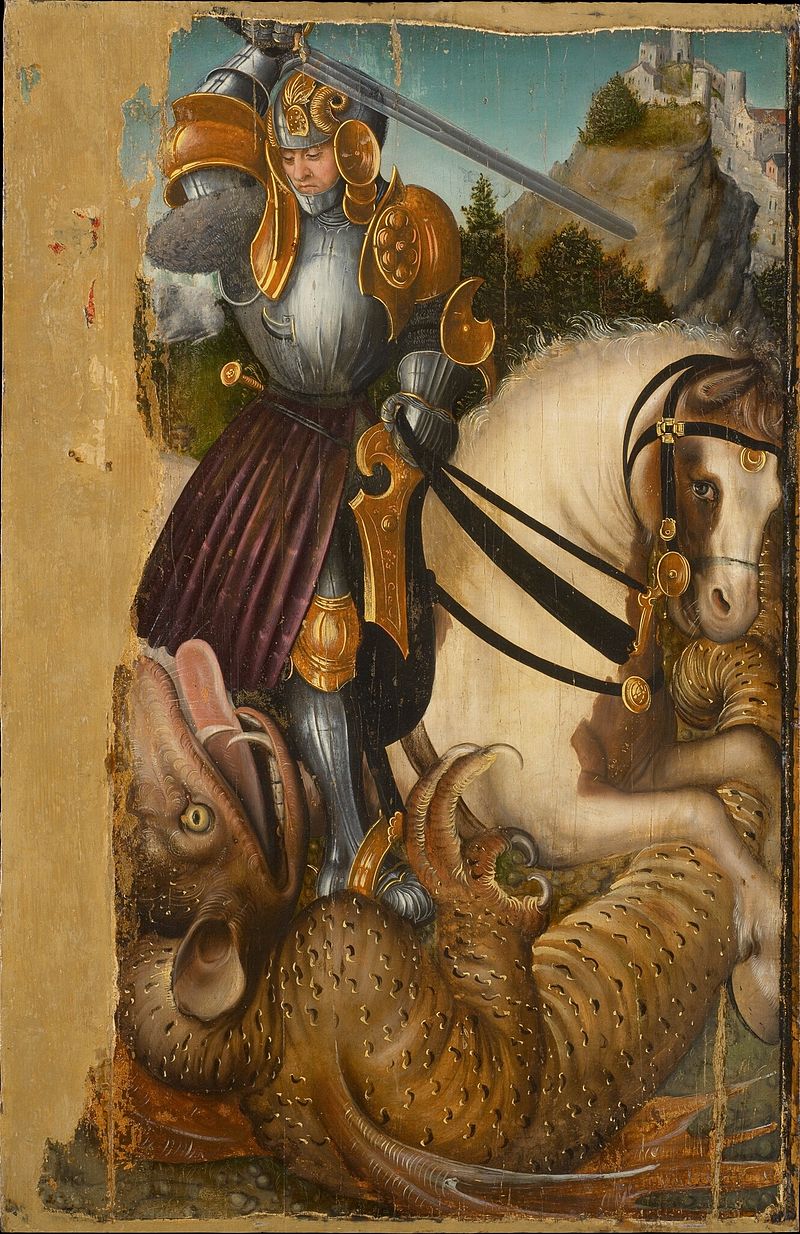
Listen to and read a brief kids’ version of Saint George and the Dragon here.
Click here for a companion story to St. George and the Dragon.

Educational resources for busy parents
Summary: Wulf the Saxon is a classic George Henty tale of nobility, loyalty and courage set in 11th century Britain. It relates the adventures of Wulf, a young, but extremely capable Saxon Thane. Wulf with his friends and servitors devote their lives to the service of Harold Godwinson, both before and after he becomes king of England. They are directly involved in capturing castles, rescuing shipwreck survivors, foiling assassination attempts and entering the terrible battles at Stamford Bridge and Senlac field by Hastings. The background of the novel is set in the stormy period prior to the Norman conquest of Britain and the story centers around real people and events, even offering a historically correct and lucid insight to the intrigues surrounding the religious and political alliances which led to the events of 1066; an absolute turning point in England’s history. (courtesy of Librivox)
Running time: 12:12
Summary:?These one page Stories of (mostly) Wonderful Deeds were written for Little Folk to teach them about famous incidents in their history. Bonnie Prince Charlie, Nelson and Hardy, Bruce and the Spider, David Livingston, Canute, Sir Philip Sydney, and Elizabeth and Raleigh are just some of the well known people and incidents covered in short stories. (Summary by Phil Chenevert for Librivox)
05 – Queen Victoria and her Soldiers
10 – The Charge of the Light Brigade
11 – The Coronation of King Edward VII
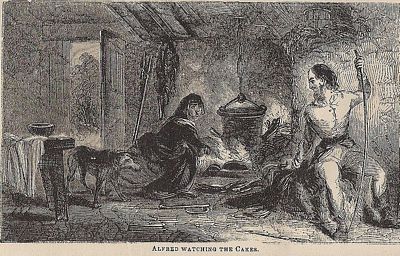
16 – King Alfred and the Cakes
27 – Queen Margaret and the Robbers
33 – Cromwell and his Ironsides
Most boys grow up to be honest, maybe even good, men, but do not stand out from the crowd. Occasionally, along comes a boy who is destined, either by character or circumstance, to make his mark on the world. In this work are included 21 biographical sketches of boys who became famous in the arts, affairs of state or exploration and discovery. Historical fact is blended with surmise and imagination to bring these boyhoods alive. – Summary by Lynne Thompson for Librivox
Whole book (zip file)Download
Subscribe by iTunes
Run time: 6:57
Christopher Columbus The Boy of Genoa: 1446(?)-1506
Michael Angelo The Boy of the Medici Gardens: 1475-1564
Walter Raleigh The Boy of Devon: 1552-1618
Peter the Great The Boy of the Kremlin: 1672-1725
Frederick the Great The Boy of Potsdam: 1712-1788
George Washington The Boy of the Old Dominion: 1732-1799
Daniel Boone The Boy of the Frontier: 1735-1820
John Paul Jones The Boy of the Atlantic: 1747-1792
Mozart The Boy of Salzburg: 1756-1791
Lafayette The Boy of Versailles: 1757-1834
Horatio Nelson The Boy of the Channel Fleet: 1758-1805
Robert Fulton The Boy of the Conestoga: 1765-1815
Andrew Jackson The Boy of the Carolinas: 1767-1845
Napoleon Bonaparte The Boy of Brienne: 1769-1821
Walter Scott The Boy of the Canongate: 1771-1832
James Fenimore Cooper The Boy of Otsego Hall: 1789-1851
John Ericsson The Boy of the G?ta Canal: 1803-1889
Garibaldi The Boy of the Mediterranean: 1807-1882
Abraham Lincoln The Boy of the American Wilderness: 1809-1865
Biographical sketches of ten girls who became famous before becoming women – some not even making it to womanhood. From Joan of Arc to Catherine d’Medici; from Catherine the Great to Pocahontas. These inspirational stories will be of interest to young people and show what determination and luck can achieve. – Summary by Lynne Thompson for Librivox
Whole book (zip file)Download
Subscribe by iTunes
Run time: 3:45
St. Catherine The Girl of Siena: 1347-1380
Joan of Arc The Girl of Domremy: 1412-1431
Vittoria Colonna The Girl of Ischia: 1490-1547
Catherine de’ Medici The Girl of Medi?val Italy: 1519-1589
Lady Jane Grey The Girl of Tudor England: 1537-1554
Mary Queen of Scots The Girl of the French Court: 1542-1587
Pocahontas The Girl of the Virginia Woods: 1595-1617
Priscilla Alden The Girl of Plymouth: About 1604?after 1680

Summary: ?This book is an attempt to tell some of the stories of King Arthur and his Knights in a way which will be interesting to every boy and girl who loves adventures. (Introduction by Henry Gilbert)
Read this book online or on your Kindle (with images)
Total running time: 10 hours, 9 minutes

1: Preface and How Arthur Was Made King and Won His Kingdom
2: Sir Balin and the Stroke Dolorous
3: How Lancelot was Made a Knight, The Four Witch Queens, and the Adventures at the Chapel Perilous
5: How Sir Tristram Kept His Word
7: How Sir Percevel Was Taught Chivalry, and Ended the Evil Wrought by Sir Balin’s Dolorous Stroke
8: How Sir Owen won the Earldom of the Fountain
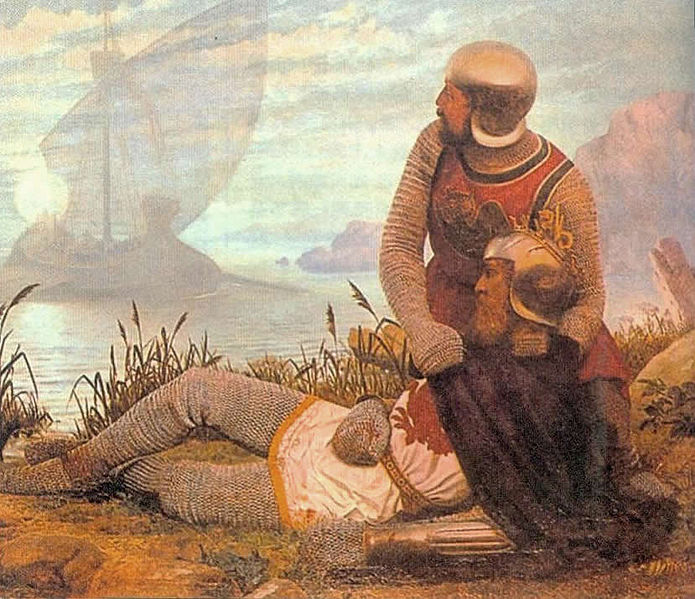
9: Of Sir Lancelot and the Fair Maid of Astolat
10: How the Three Good Knights Achieved the Holy Graal
11: Of the Plots of Sir Mordred; and How Sir Lancelot Saved the Queen
12: Of Sir Gawaine’s Hatred, and the War with Sir Lancelot
13: Of the Rebellion of Mordred and the Death of King Arthur
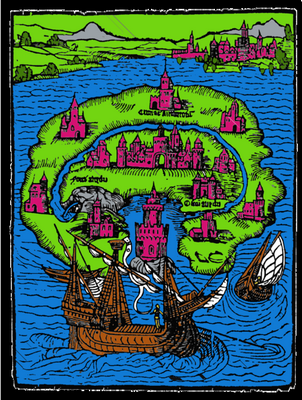
Summary: This book is all about the fictional country called Utopia. It is a country with an ‘ideal’ form of communism, in which everything really does belong to everybody, everyone does the work they want to, and everyone is alright with that. This country uses gold for chamber pots and prison chains, pearls and diamonds for children’s playthings, and requires that a man and a woman see each other exactly as they are, naked, before getting married. This book gave the word ‘utopia’ the meaning of a perfect society, while the Greek word actually means ‘no place’. Enjoy listening to this story about a country that really is too good to be true. (Summary by Jenilee for Librivox)
Total running time: 3 hours, 54 minutes
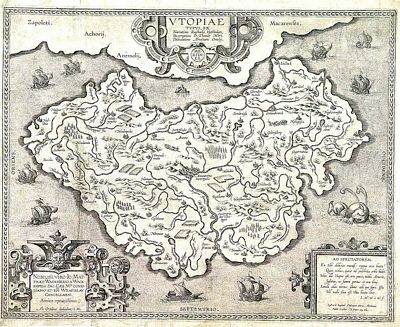
# 01 – Discourses of Raphael Hythloday, Part 1
# 02 – Discourses of Raphael Hythloday, Part 2
# 03 – Discourses of Raphael Hythloday, Part 3
# 04 – Of Their Towns, Particularly of Amaurot
# 06 – Of Their Trades, and Manner of Life
# 08 – Of the Travelling of the Utopians
# 09 – Of Their Slaves and of Their Marriages

Another stirring tale from the master of historical fiction set in the time of Robert Bruce and William Wallace and their struggle for Scotland’s independence. (Summary by Annise)
Total running time: 10 hours, 16 minutes

Summary: Viking tales are tales from Iceland, featuring the king Halfdan and his son Harald. (Summary by Nadine)
Read this book online or on your Kindle or other e-reader.
Total running time:? 3 hours, 30 minutes
To hear this book, click play in the box below or click on the chapter links.
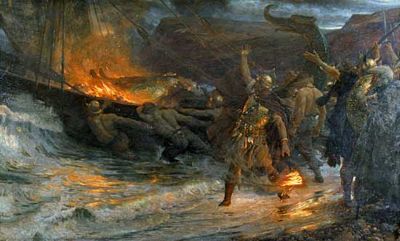
04 – Part I, Olaf’s fight with Havard
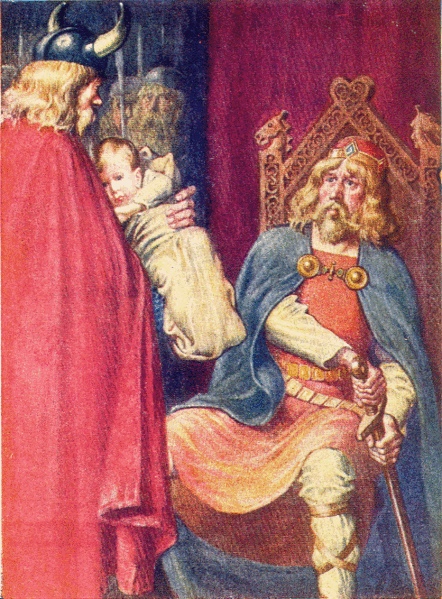
08 – Part I, Gyda’s Saucy Message
10 – Part I, King Harald’s Wedding
11 – Part I, King Harald Goes West-Over-Seas
12 – Part II, Homes in Iceland
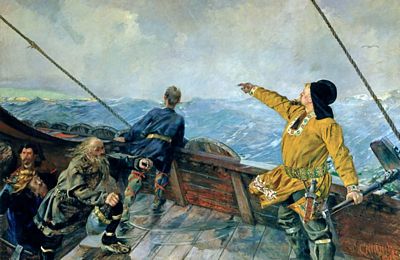
14 – Part II, Leif and His New Land
15 – Part II, Wineland the Good

Whole book (zip file)Download
Subscribe by iTunesiTunes
Total running time: 1 hour, 18 minutes
Published in 1903, Gawayne and the Green Knight is a modern-language retelling of Sir Gawain and the Green Knight, a 14th-century verse romance following a young knight of the Round Table. During Christmas celebrations, a mysterious, entirely green knight presents a challenge to King Arthur’s court: that any may strike the stranger a single blow with his green axe, provided he assent to receiving the same a year later. Gawayne accepts the challenge, and its unexpected outcome leads to a great test of his courage and knighthood. A significant addition to this version is the Lady Elfinhart, whose back-story and romance with Gawayne are tightly interwoven with the plot. (Summary by Jerome Lawsen for Librivox)

1200 BC – Fall of Troy
480 BC – Thermopolae
399 BC – Death of Socrates
September 30, 331 BC? Rise of Alexander the Great: Peace Offer
October 1, 331 BC – Rise of Alexander the Great: Battle for Asia
September, 326 BC – Rise of Alexander the Great: Mutiny in India

August 26, 79 BC – The Last Day of Pompeii
December 5, 63 BC – The Conspiracy of Catiline
44 BC – The Assassination of Julius Caesar
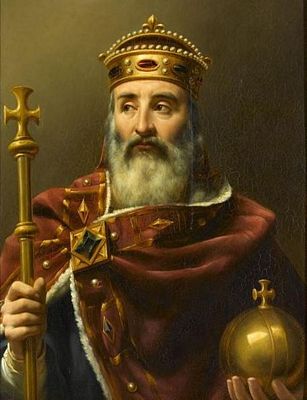
December 25, 800 – Charlemagne
October 14, 1066 – The Battle of Hastings
June 15, 1215 – The Signing of the Magna Charta
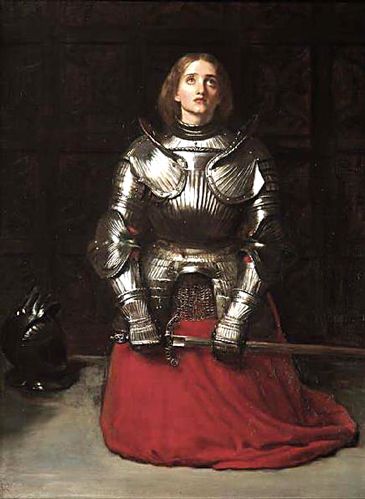
May 30, 1431 – Joan of Arc Burned at the Stake
April 7, 1498 – The Ordeal of Savonarola
June 15, 1520 – The Death of Montezuma
October 3, 1574 – The Siege of Leiden, Holland
February 8, 1587 – Execution of Mary Queen of Scots

August 8, 1588 – Drake Defeats Spanish Armada
January, 1649 – The Trial and Sentencing of Charles I
September 5, 1670 – Trial of William Penn
May 23, 1701 – The Hanging of Captain Kidd
June 22, 1757 – The Battle of Plassey
July 14, 1789 – The Storming of the Bastille

October 16, 1793 – The Trial of Marie Antoinette
May 6, 1802 – Toussaint Louverture Liberates Haiti
March 7, 1815 – Napoleon Returns from Elba
July 31, 1815 – Napoleon Recaptured and Exiled
October 25, 1854 – The Charge of the Light Brigade
June 19, 1867 – The Execution of Maximillian
September 8, 1899 – The Dreyfus Case
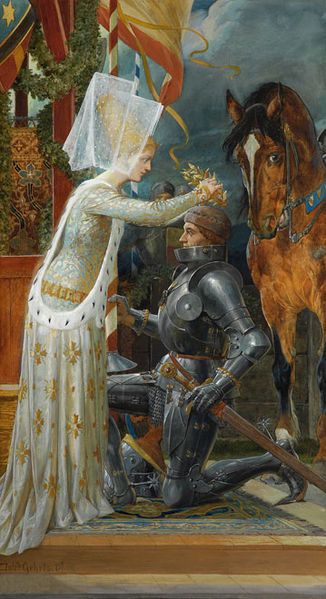
Summary: This book follows the fortunes of the son of a noble Saxon family in Norman England as he woos his lady, disobeys his father, and is loved by another. Set in late 12C England and in Palestine with Richard Cœur-de-Lion at the Crusades, it’s another ripping historical yarn by Scott (summary by annise for Librivox)
To hear this book, click play in the box below or click on the chapter links.
Total running time: 19 hours and 25 minutes

To hear this book, click play in the box below or click on the chapter links.
Total running time: 9 hours, 11 minutes
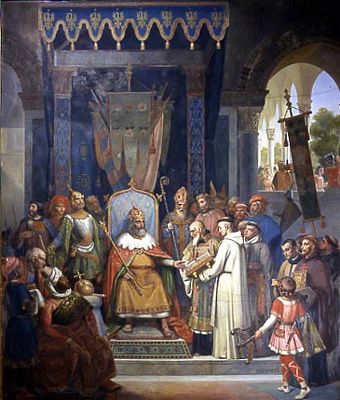
# 03 – The Siege of Albracca pt 1
# 04 – The Siege of Albracca pt 2
# 05 – Adventures of Rinaldo and Orlando
# 06 – The Invasion of France pt 1
# 07 – The Invasion of France pt 2

# 09 – Astolpho and the Enchantress
# 11 – Astolpho’s Adventures continued, and Isabella’s begun
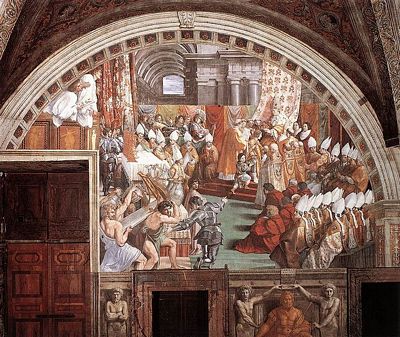
# 18 – Rogero and Bradamante pt 1
# 19 – Rogero and Bradamante pt 2
# 20 – The Battle of Roncesvalles
# 21 – The Battle of Roncesvalles

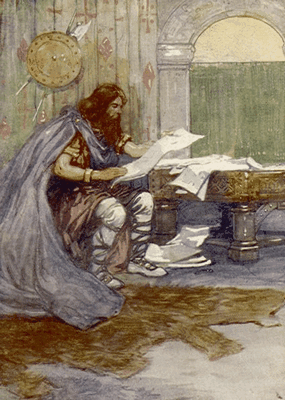
A life of King Alfred of England originally composed in Latin, possibly sometime around 888 A.D. by the Monk and Bishop Asser, although some scholars contend that the work was actually composed much later by an unknown hand. (Summary by Douglas B. Killings for Librivox)
To hear this book, click play in the box below or click on the chapter links.
Running time: 2 hours, 18 minutes
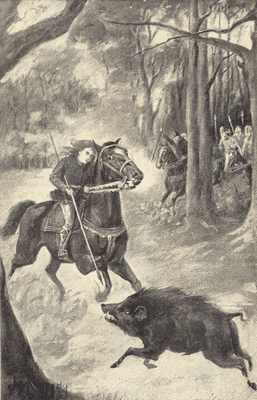
05 Part II, Section 1 00:22:15
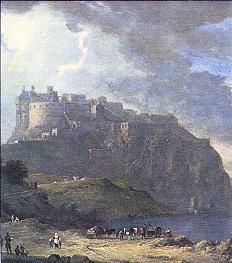
Summary: An adventure novel about William Wallace, one of the most popular books ever written by Jane Porter. The French version was even banned by Napoleon, and the book has remained very popular with Scottish children, but is equally enjoyable for adults. (Summary by Wikipedia, revised by Kikisaulite for Librivox)
Download as a zipped file (860.2 MB)
To hear this book, click play in the box below or click on the chapter links.
Total running time: 29 hours, 52 minutes

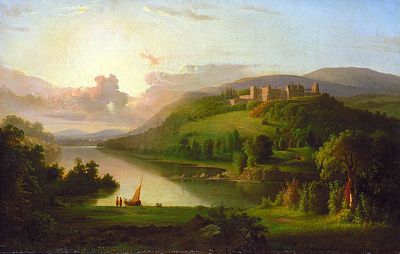
Chapter 18 Cartlane Craigs, and Glenfinlass
Chapter 20 The Cliffs of Loch Lubnaig
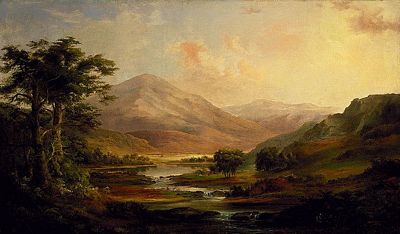
Chapter 31 Berwick and the Tweed
Chapter 36 The Carse of Stirling
Chapter 38 The Bower, or Ladies’ Apartments
Chapter 39 Stirling Castle and Council Hall
Chapter 40 The Governor’s Apartments
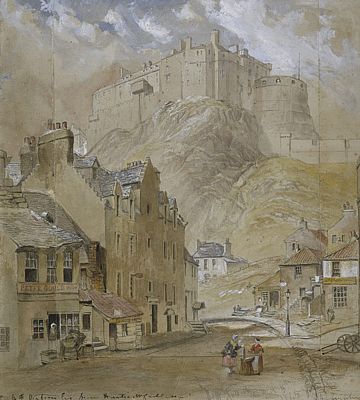
Chapter 43 The Carse of Stirling
Chapter 51 Stirling and Snawdoun
Chapter 58 The Bishops’ Palace
Chapter 64 Forest of Vincennes
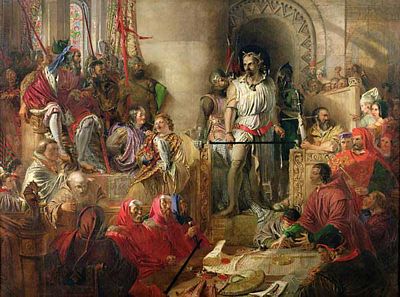
Chapter 82 The Tower of London
Chapter 85 The Warden’s Apartments

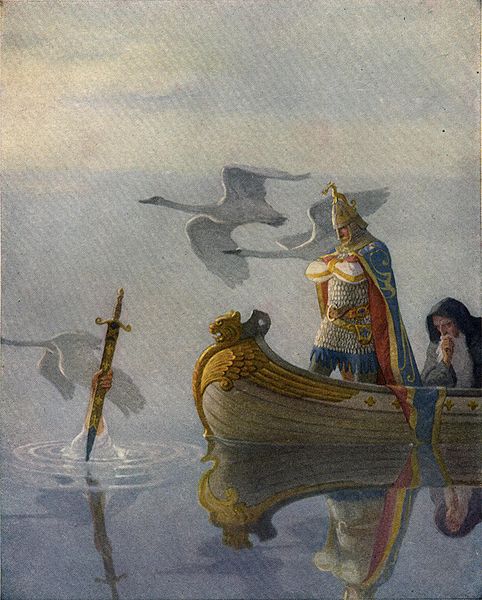
General Mills Radio Adventure Theater: Three Swords
This old time radio drama tells the story of King Arthur when he pulls the sword from the stone.
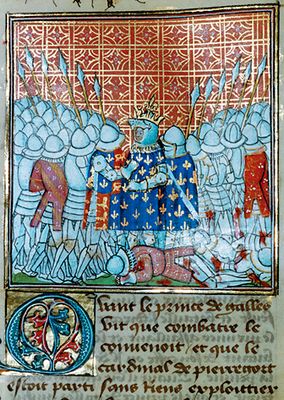
To hear this book, click play in the box below or click on the chapter titles.
Summary: This book tells of a child of noble birth whose parents have fallen foul of the current royalty. He is placed in hiding and grows up with a bowyer and then he is apprenticed to an armourer just outside the gates of the City of London.
He becomes accomplished in arms and joins the campaign in France where we see the battles of Crecy and Poitiers through his eyes.
A tale of heroism and 14th century viciousness.
Great fun.(summary by jimmowatt for Librivox)
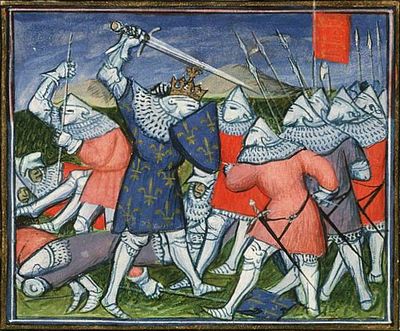
# 02 – The Hut in the Marshes – 00:26:38
# 03 – A Thwarted Plot – 00:25:58
# 04 – A Knight’s Chain – 00:26:04
# 05 – The City Games – 00:25:18

# 07 – The Young Esquire – 00:27:57
# 08 – Off to the Wars – 00:26:05
# 09 – The Siege of Hennebon – 00:28:16
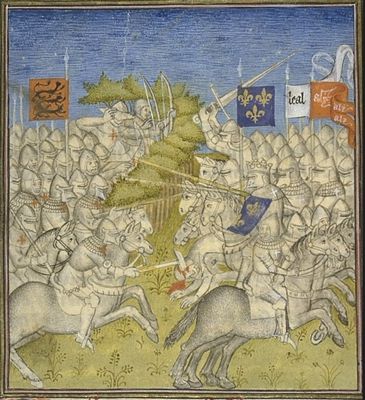
# 10 – A Place of Refuge – 00:25:34
# 11 – A Stormy Interview – 00:25:23
# 12 – Jacob Van Artevelde – 00:23:36
# 13 – The White Ford – 00:24:31
# 15 – The Siege of a Fortalice – 00:21:43
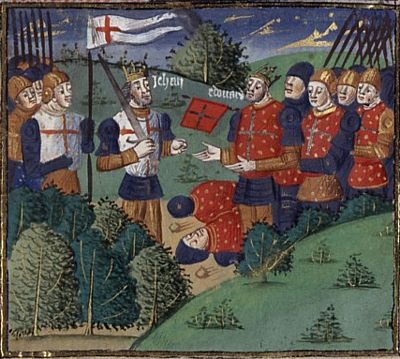
# 17 – The Capture of Calais – 00:29:52
# 18 – The Black Death – 00:21:23
# 19 – By Land and Sea – 00:21:32

To listen, click play in the box below or click on the chapter titles.
Running time: 10 hours, 30 minutes
Note to parent: I have not read this version of The Arabian Nights yet, however it has been reviewed on Amazon, where multiple parental reviewers note that this version is not completely sanitized (dead body counts and some violence remain) but much of the book has been heavily abridged to make it appropriate for children, with inappropriate content removed. This is a book of middle-eastern myths, and there are references to Allah in some of the stories.
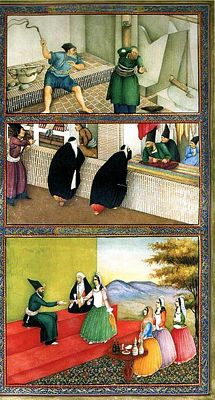
01 – The Arabian Nights – 00:07:06
02 – The Story of the Merchant and the Genius – 00:07:50
03 – The Story of the First Old Man and of the Hind – 00:06:09
04 – The Story of the Second Old Man and of the Two Black Dogs – 00:06:01
05 – The Story of the Fisherman – 00:06:11
06 – The Story of the Greek King and the Physician Douban – 00:04:53
07 – The Story of the Husband and the Parrot – 00:03:33
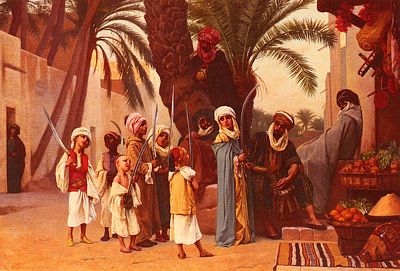
08 – The Story of the Vizir Who Was Punished – 00:16:57
09 – The Story of the Young King of the Black Isles – 00:06:04
10 – The Story of the Three Calendars, Sons of Kings and of Five Ladies of Bagdad – 00:19:49
11 – The Story of the First Calendar, Son of a King – 00:11:17
12 – The Story of the Second Calendar, Son of a King – 00:14:55
13 – The Story of the Envious Man and of Him Who Was Envied – 00:25:30
14 – The Story of the Third Calendar, Son of a King – 00:27:56
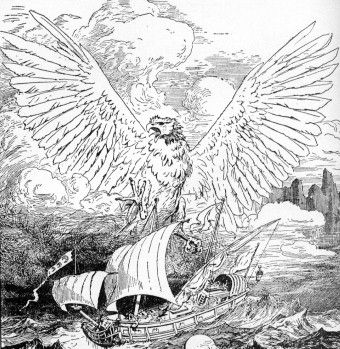
15 – The Seven Voyages of Sinbad the Sailor – 00:06:59
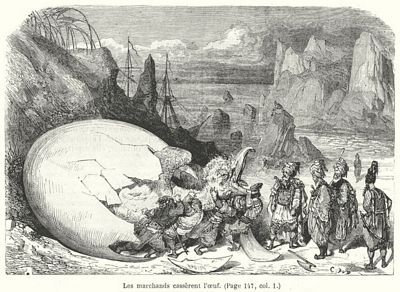
22 – Seventh and Last Voyage – 00:10:52
23 – The Little Hunchback – 00:15:34
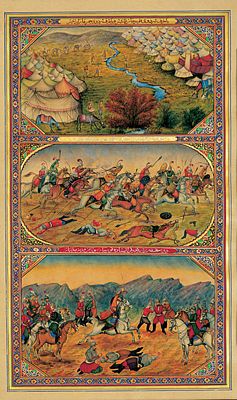
24 – The Story of the Barber’s Fifth Brother – 00:19:22
25 – The Story of the Barber’s Sixth Brother – 00:11:21
26 – The Adventures of Prince Camaralzaman and the Princess Badoura (Part I) – 00:22:39
27 – The Adventures of Prince Camaralzaman and the Princess Badoura (Part II) – 00:26:39
28 – The Adventures of Prince Camaralzaman and the Princess Badoura (Part III) – 00:27:04
29 – Noureddin and the Fair Persian (Part I) – 00:24:50
30 – Noureddin and the Fair Persian (Part II) – 00:24:45
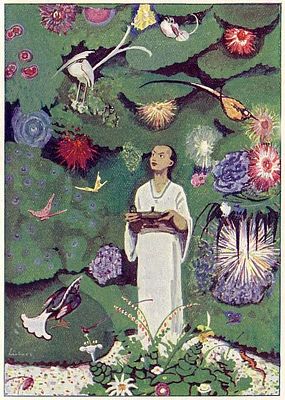
31 – Aladdin and the Wonderful Lamp – 00:31:37
32 – The Adventures of Haroun-al-Raschid, the Caliph of Bagdad – 00:05:41
33 – The Story of the Blind Baba-Abdalla – 00:16:03
34 – The Story of Sidi-Nouman – 00:22:0735 – The Story of Ali-Colia, Merchant of Bagdad – 00:19:30
36 – The Enchanted Horse, Part 1 – 00:22:19
37 – The Enchanted Horse, Part 2 – 00:21:34
38 – The Story of the Two Sisters Who Were Jealous of Their Younger Sister (Part I) – 00:20:05
39 – The Story of the Two Sisters Who Were Jealous of Their Younger Sister (Part II) – 00:19:33
40 – The Story of the Two Sisters Who Were Jealous of Their Younger Sister (Part III) – 00:19:02
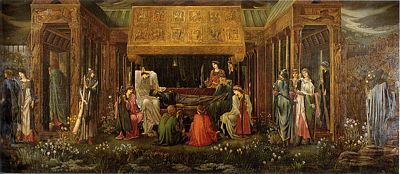
Note to parent: Le Morte d’Arthur appears on many high school reading lists. Please be aware that some chapters may contain violent and disgusting imagery, sensuality or profanity. Please consult your trusted curriculum provider about which chapters you want to assign to your child, and preview material yourself if you have concerns.
To hear this book, click play in the box below or click on the chapter links.
Running time: 15 hours, 50 minutes
02 Bk 1 Chapters 7-11 00:22:41
03 Bk 1 Chapters 12-16 00:21:17
04 Bk 1 Chapters 17-21 00:20:21
05 Bk 1 Chapters 22-27 00:19:59
07 Bk 2 Chapters 7-13 00:18:34
08 Bk 2 Chapters 14-19 00:20:45
10 Bk 3 Chapters 9-15 00:30:00
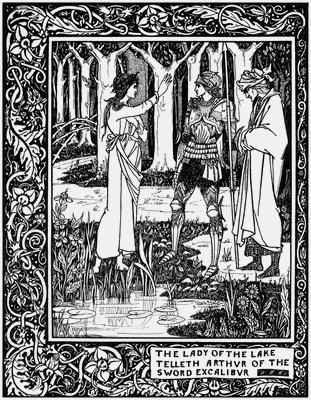
11 Bk 4 Chapters 1 – 7 00:27:15
12 Bk 4 Chapters 8-13 00:17:51
13 Bk 4 Chapters 14-18 00:25:28
14 Bk 4 Chapters 19-22 00:17:25
15 Bk 4 Chapters 23-28 00:19:54
18 Bk 5 Chapters 10-12 00:13:06
20 Bk 6 Chapters 7-10 00:20:55
21 Bk 6 Chapters 11 – 1400:21:30
22 Bk 6 Chapters 15-18 00:20:00
24 Bk 7 Chapters 7-11 00:17:27
25 Bk 7 Chapters 12-16 00:16:48
26 Bk 7 Chapters 17-21 00:16:26
27 Bk 7 Chapters 22-26 00:25:07
28 Bk 7 Chapters 27-31 00:23:50
29 Bk 7 Chapters 32-35 00:15:37
31 Bk 8 Chapters 7-11 00:19:42
32 Bk 8 Chapters 12-16 00:16:56
33 Bk 8 Chapters 17-22 00:26:02
34 Bk 8 Chapters 23-28 00:21:33
35 Bk 8 Chapters 29-33 00:23:45
36 Bk 8 Chapters 34-38 00:19:16
37 Bk 8 Chapters 39-41 00:16:18
38 Bk 9 Chapters 01-05 00:21:56
39 Bk 9 Chapter 06-11 00:21:32
40 Bk 9 Chapter 12-17 00:22:29
41 Bk 9 Chapter 18 – 22 00:21:05
42 Bk 9 Chapters 23-26 00:20:07
43 Bk 9 Chapters 27-31 00:21:20
44 Bk 9 Chapters 32-35 00:16:29
To hear this book, click play in the box below or click on the chapter links.
Run time: 3 hours, 43 minutes

Powered by WishList Member - Membership Software